Menu
Categories

Curated Tech for the Modern Professional.

Curated Tech for the Modern Professional.

Wishlist
Shopping Cart

No products in the cart.

Category: Home Office

Used before category names. Buying Guides Home Office

Home Office Essentials: What You Actually Need and What Can Wait

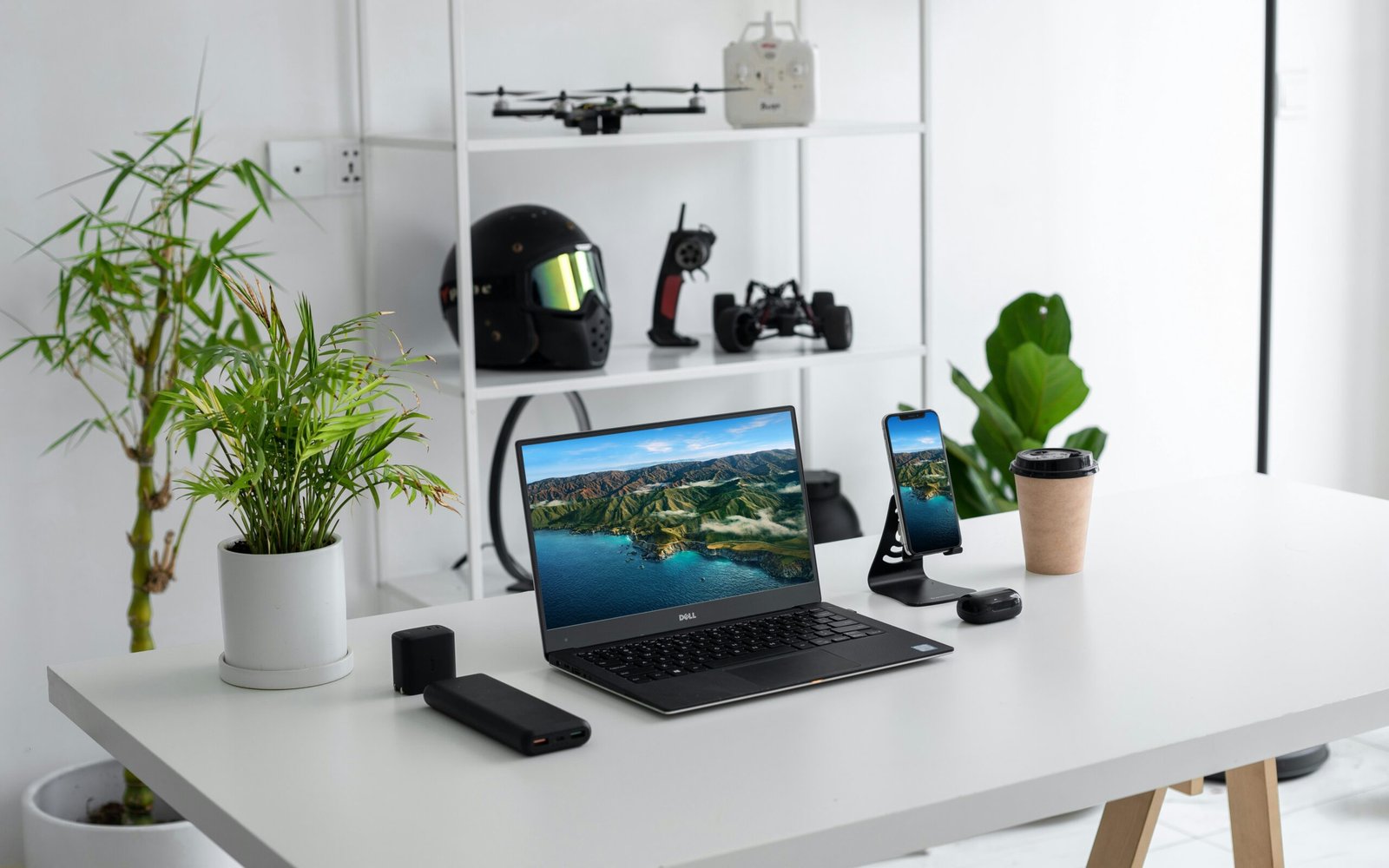
It is easy to overspend on a home office. Product pages promise a better setup, and a few hours of browsing can turn into a long shopping list. The result is often a desk full of gear that doesn’t fix the problems you actually have. A better approach is to sort purchases by how much they affect your daily work, your health, and your ability to stay online. This guide splits home office gear into three tiers, explains why each item sits where it does, and ends with the mistakes we see most often. Three questions to ask before buying anything Before adding an item to your list, check it against these questions. Does it stop me from working when it fails? Internet, power, and your computer fall in this group. They come first. Does it affect my body over months and years? A chair, screen height, and keyboard position fall here. Problems build slowly, so they are easy to ignore until they hurt. Does it only make things nicer? Décor, extra speakers, and accessories fall here. They are fine to buy, but they can wait. If an item answers “yes” to the first or second question, it belongs in Tier 1 or Tier 2. If it only answers “yes” to the third, it goes in Tier 3. Tier 1: Buy first These items keep you working and protect your health. A dependable computer. Everything else depends on it. For typical office work (documents, spreadsheets, video calls, and many browser tabs), prioritize these in order: a solid-state drive (SSD) instead of an older hard disk, enough memory (8 GB is a workable minimum and 16 GB gives more room), and a keyboard you find comfortable. A faster processor matters less than most advertising suggests for this kind of work. A supportive chair. You will sit in it for hours, five or six days a week. Look for adjustable seat height, a backrest that supports your lower back, and armrests that don’t force your shoulders up. If you can, sit in the chair before you buy, or choose a seller with an easy return policy. Where it shines: it protects your back and makes long days easier. Where it falls short: a good chair costs more than other items on this list, so it can take up much of your budget. A lumbar cushion on a basic chair is a reasonable stopgap. A backup internet option. A single connection is a single point of failure. A mobile hotspot, or a second SIM with a data plan, lets you finish a meeting when your main line drops. Power protection. At the minimum, use a surge-protected power strip for your computer and router. If power cuts are frequent where you live, read our guide on power backup for remote work. Tier 2: Buy next These make daily work faster and more comfortable once the basics are sorted. An external monitor. A larger screen cuts down on switching between windows and lets you raise your eye level, which helps your neck. Pick a size and resolution that suits your desk and your eyesight, and make sure your computer has the right port or you have a suitable adapter. A separate keyboard and mouse. If you use a laptop, these let you position your hands properly instead of hunching over the built-in keyboard. Our posts on mechanical keyboards and mice cover what to look for. Headphones with a decent microphone. These matter for calls and for blocking distraction. See our guide on noise-canceling headphones for what to check. A desk lamp. Good light reduces eye strain and improves how you look on camera. Choose one with adjustable brightness. Tier 3: Can wait These improve comfort and polish, but you can work well without them. Some of these become more valuable later. For example, a sit-stand desk makes sense once you know how long you sit each day, and a monitor arm helps once you know your ideal screen position. A simple buying order If you are starting from scratch and buying in stages, this order works well for most people. Computer, surge protector, and backup internet Chair or lumbar support Keyboard, mouse, and a way to raise your screen Headphones and a desk lamp External monitor Everything in Tier 3, one item at a time Mistakes to avoid Buying by specifications alone. A long spec list doesn’t tell you whether a chair is comfortable or a keyboard suits your hands. Read reviews that describe daily use, not only features. Buying everything at once. If you buy the whole setup in one go, you can’t tell which items helped. Buy in stages and use each for a week or two. Ignoring the return policy. Chairs, keyboards, and mice are personal. Check the return terms before you pay. Forgetting your space. A large monitor or a deep desk may not fit your room. Measure first. Skipping the free fixes. Raising your screen with books, adjusting your chair, and improving the lighting cost nothing. Our ergonomic setup guide lists them in priority order. Our recommendation Spend first on what keeps you working and protects your body, then on what makes work more comfortable, and last on what looks good. Where this approach shines: you avoid waste and learn what you actually miss. Where it falls short: your setup will be imperfect for a few weeks or months, so pair it with the free ergonomic fixes while you build it up.

Continue Reading...
Oct 22, 2026
Used before category names. Home Office Worskapce

Desk and Cable Organization for a Calmer Workspace

A cluttered desk makes it harder to concentrate, and tangled cables make it harder to move, clean, or replace devices. You don’t need to redo your whole room. A few small changes make a visible difference. Start with a reset Unplug everything, wipe the desk, and decide what really belongs on it. Keep daily-use items within reach, and move everything else to a drawer or shelf. Tame the cables Use cable ties or reusable hook-and-loop straps. Bundle cables that run together. Reusable straps are easier to adjust than single-use plastic ties. Mount a power strip under the desk. This gets plugs off the floor and out of sight. Make sure the strip is surge-protected and not overloaded. Use a cable tray or sleeve. A tray under the desk or a sleeve along the leg holds loose cable in one place. Label both ends. A small label on each plug tells you what to unplug without tracing the cable. Choose the right length. Cables that are too long create loops. Cables that are too short pull on ports. Reduce the number of cables A single USB-C hub or dock can connect your monitor, keyboard, and charger with one cable to your laptop. Where it shines: a faster setup and fewer cables on the desk. Where it falls short: quality varies, so check that its ports and power delivery match your laptop’s. Keep the surface useful Make it a habit Spend two minutes at the end of each day clearing the desk, and ten minutes once a month checking cables and dust. A routine keeps the setup tidy longer than a one-time clean. Suggested publishing order If you publish gradually, start with the broadest guides (Home Office Essentials, Ergonomic Setup, Noise-Canceling Headphones), then the specific buying guides (Keyboards, Mouse, Stand vs Arm), and finish with the supporting topics (Power Backup, Travel Kit, Webcam and Lighting, Cable Organization).

Continue Reading...
Oct 19, 2026
Used before category names. Buying Guides Home Office Productivity Accessories

How to Choose a Mouse for Long Work Days

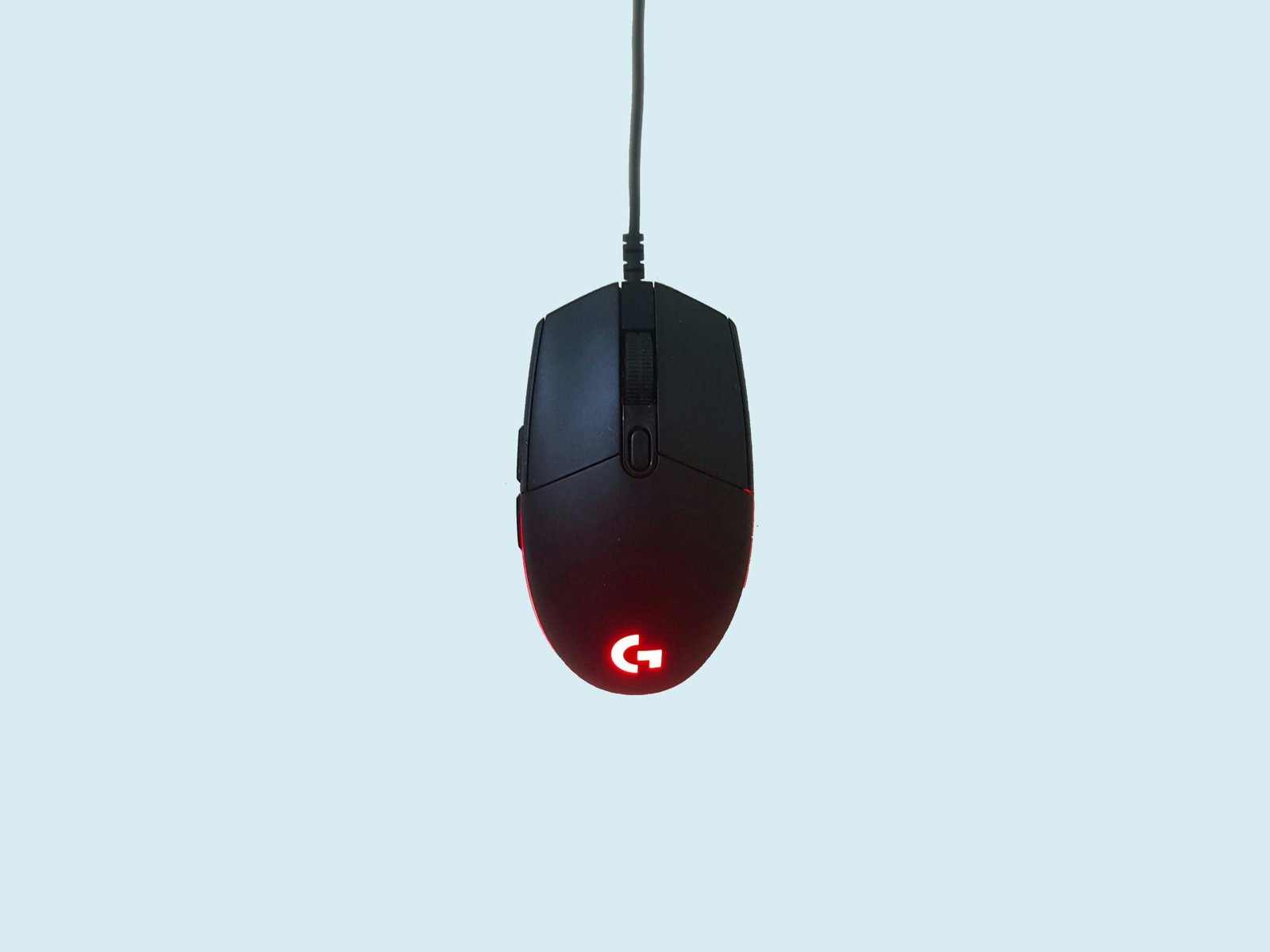
You use your mouse thousands of times a day, yet it often gets less thought than any other piece of gear. The right shape can make long sessions more comfortable. Common mouse types Standard mouse. Familiar and widely available. Where it shines: easy to switch between models and good for most users. Where it falls short: the flat palm-down position can feel tiring for some people over time. Vertical mouse. Holds your hand in a handshake position. Where it shines: many people find it more comfortable for the forearm. Where it falls short: it takes a few days to adjust, and precision tasks may feel different at first. Trackball. The ball moves under your thumb or fingers while the body stays still. Where it shines: needs very little desk space and little arm movement. Where it falls short: it can feel unfamiliar, and fine control takes practice. Compact or travel mouse. Small and light. Where it shines: it’s easy to carry. Where it falls short: a small body can feel cramped in larger hands. What to check before buying Habits that help Keep your wrist straight, rest your forearm lightly on the desk, and let your whole arm move instead of flicking the wrist. Take short breaks and stretch your hands. If you feel ongoing pain, numbness, or tingling, see a healthcare professional rather than relying on a new product.

Continue Reading...
Sep 22, 2026
Used before category names. Home Office

Ergonomic Home Office Setup: What to Fix First

Many people set up a home office with a laptop on a kitchen table and hope for the best. After a few weeks, neck stiffness and back pain appear. You don’t need to buy an entire new setup to fix this. Start with the changes below, in this order. Where it shines: it’s the cheapest fix with the biggest effect. Where it falls short: it requires a separate keyboard and mouse, so it adds a small cost. A simple upgrade order Laptop stand, external keyboard, and mouse Supportive chair or lumbar cushion Better lighting Sit-stand desk or adjustable converter Fix the free and cheap items first. Spend more only when you know which problem remains.

Continue Reading...
Aug 12, 2026
Used before category names. Home Office Remote Work Gear

How to Choose Noise-Canceling Headphones for Remote Work

Working from home rarely means working in silence. Neighbors, traffic, generators, a fan in the next room, or family moving around can all break your focus. Noise-canceling headphones are one of the most useful upgrades for a home office, but they are not all equal. This guide explains what to look for. What noise cancellation actually does Active noise cancellation (ANC) uses small microphones to pick up outside sound and plays an opposing signal to reduce it. It works best on steady, low-pitched noise such as fans, air conditioners, engine hum, and generators. It works less well on sudden or high-pitched sounds like voices, barking, or a door slamming. Where it shines: constant background hum. Where it falls short: human speech, which is often what interrupts remote workers most. Good ear cup padding (passive isolation) helps with this, so don’t judge a pair by its ANC alone. The features that matter most for work Comfort over long sessions. If you wear them for four to six hours, weight and clamp pressure matter more than sound quality. Over-ear models spread pressure around the ear. On-ear models press on it and can tire you faster. Earbuds are lightest but can cause ear fatigue for some people. Microphone quality. Many headphones sound great but make you sound distant on calls. Look for models with multiple microphones, and read reviews that discuss call quality specifically. Battery life and charging. Over-ear models commonly offer 20 to 40 hours with ANC on. Check that the headphones can be used while charging, and whether a short charge gives hours of use. This matters when your power supply is unreliable. Multipoint Bluetooth. This lets headphones stay connected to your laptop and phone at once, so you can switch between a meeting and a phone call without re-pairing. Wired option. A headphone cable or USB connection removes battery worries and Bluetooth delay, and is useful for long video calls. Over-ear, on-ear, or earbuds? Type Where it shines Where it falls shortOver-ear Best isolation and comfort for long sessions Bulky, can feel warmOn-ear Lighter and more compact Less isolation, pressure on earsEarbuds Portable, easy to wear with glasses Smaller battery, weaker ANC in some models Our recommendation For a daily home office, we suggest an over-ear model with solid padding, multipoint Bluetooth, and a wired option. If you often work in shared spaces or travel, earbuds with ANC may be the better fit. Decide based on your noise environment first, then on features.

Continue Reading...
Jul 22, 2026
Shop
Wishlist