Menu
Categories

Curated Tech for the Modern Professional.

Curated Tech for the Modern Professional.

Wishlist
Shopping Cart

No products in the cart.

Month: October 2026

Used before category names. Buying Guides Home Office

Home Office Essentials: What You Actually Need and What Can Wait

It is easy to overspend on a home office. Product pages promise a better setup, and a few hours of browsing can turn into a long shopping list. The result is often a desk full of gear that doesn’t fix the problems you actually have. A better approach is to sort purchases by how much they affect your daily work, your health, and your ability to stay online. This guide splits home office gear into three tiers, explains why each item sits where it does, and ends with the mistakes we see most often. Three questions to ask before buying anything Before adding an item to your list, check it against these questions. Does it stop me from working when it fails? Internet, power, and your computer fall in this group. They come first. Does it affect my body over months and years? A chair, screen height, and keyboard position fall here. Problems build slowly, so they are easy to ignore until they hurt. Does it only make things nicer? Décor, extra speakers, and accessories fall here. They are fine to buy, but they can wait. If an item answers “yes” to the first or second question, it belongs in Tier 1 or Tier 2. If it only answers “yes” to the third, it goes in Tier 3. Tier 1: Buy first These items keep you working and protect your health. A dependable computer. Everything else depends on it. For typical office work (documents, spreadsheets, video calls, and many browser tabs), prioritize these in order: a solid-state drive (SSD) instead of an older hard disk, enough memory (8 GB is a workable minimum and 16 GB gives more room), and a keyboard you find comfortable. A faster processor matters less than most advertising suggests for this kind of work. A supportive chair. You will sit in it for hours, five or six days a week. Look for adjustable seat height, a backrest that supports your lower back, and armrests that don’t force your shoulders up. If you can, sit in the chair before you buy, or choose a seller with an easy return policy. Where it shines: it protects your back and makes long days easier. Where it falls short: a good chair costs more than other items on this list, so it can take up much of your budget. A lumbar cushion on a basic chair is a reasonable stopgap. A backup internet option. A single connection is a single point of failure. A mobile hotspot, or a second SIM with a data plan, lets you finish a meeting when your main line drops. Power protection. At the minimum, use a surge-protected power strip for your computer and router. If power cuts are frequent where you live, read our guide on power backup for remote work. Tier 2: Buy next These make daily work faster and more comfortable once the basics are sorted. An external monitor. A larger screen cuts down on switching between windows and lets you raise your eye level, which helps your neck. Pick a size and resolution that suits your desk and your eyesight, and make sure your computer has the right port or you have a suitable adapter. A separate keyboard and mouse. If you use a laptop, these let you position your hands properly instead of hunching over the built-in keyboard. Our posts on mechanical keyboards and mice cover what to look for. Headphones with a decent microphone. These matter for calls and for blocking distraction. See our guide on noise-canceling headphones for what to check. A desk lamp. Good light reduces eye strain and improves how you look on camera. Choose one with adjustable brightness. Tier 3: Can wait These improve comfort and polish, but you can work well without them. Some of these become more valuable later. For example, a sit-stand desk makes sense once you know how long you sit each day, and a monitor arm helps once you know your ideal screen position. A simple buying order If you are starting from scratch and buying in stages, this order works well for most people. Computer, surge protector, and backup internet Chair or lumbar support Keyboard, mouse, and a way to raise your screen Headphones and a desk lamp External monitor Everything in Tier 3, one item at a time Mistakes to avoid Buying by specifications alone. A long spec list doesn’t tell you whether a chair is comfortable or a keyboard suits your hands. Read reviews that describe daily use, not only features. Buying everything at once. If you buy the whole setup in one go, you can’t tell which items helped. Buy in stages and use each for a week or two. Ignoring the return policy. Chairs, keyboards, and mice are personal. Check the return terms before you pay. Forgetting your space. A large monitor or a deep desk may not fit your room. Measure first. Skipping the free fixes. Raising your screen with books, adjusting your chair, and improving the lighting cost nothing. Our ergonomic setup guide lists them in priority order. Our recommendation Spend first on what keeps you working and protects your body, then on what makes work more comfortable, and last on what looks good. Where this approach shines: you avoid waste and learn what you actually miss. Where it falls short: your setup will be imperfect for a few weeks or months, so pair it with the free ergonomic fixes while you build it up.

Continue Reading...
Oct 22, 2026
Used before category names. Productivity Accessories Remote Work Gear

Mechanical Keyboard Switches Explained for Office Use

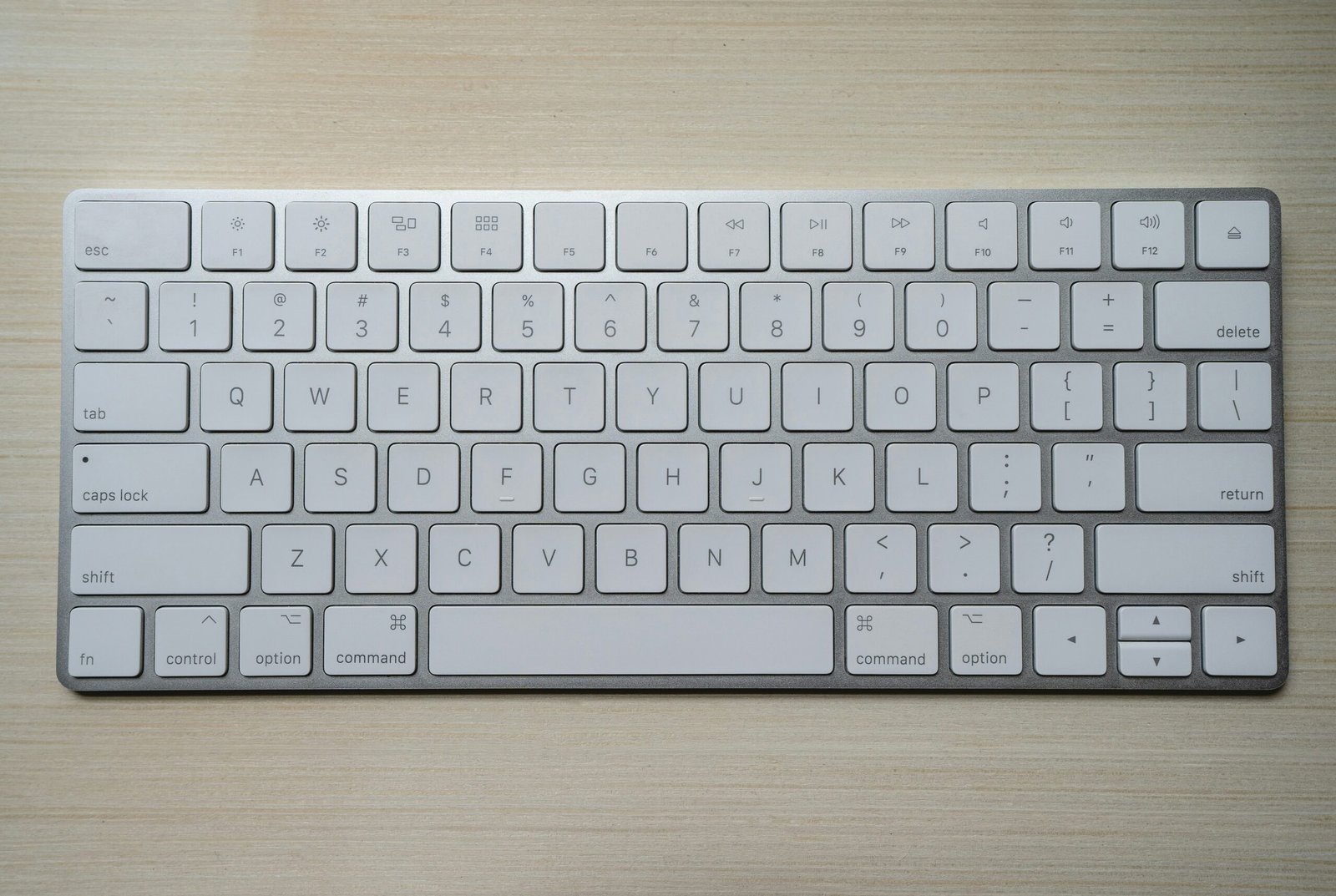
If you spend hours typing, a mechanical keyboard can make a real difference to comfort and accuracy. The first decision is the switch type, and it affects feel and noise more than anything else. The three main switch types Linear. Smooth keystroke with no bump or click. Where it shines: quiet, fast, and easy for long typing sessions. Where it falls short: some typists miss the feedback and make more accidental key presses. Tactile. A small bump signals when the key registers. Where it shines: good feedback without much noise, so it suits most office work. Where it falls short: the bump isn’t to everyone’s liking. Clicky. A bump plus an audible click. Where it shines: very satisfying feedback. Where it falls short: loud, and likely to be heard on video calls or by people nearby. Other features to check Size. Full-size boards include a number pad. Tenkeyless (TKL) and 75% layouts save desk space and keep your mouse closer, which helps your shoulder. 60% boards are compact but remove arrow and function keys many office users need. Hot-swappable switches. These let you change switches without soldering, so you can try other types later. Noise dampening. Foam inside the case and softer switches reduce sound. This matters if you share a room. Connection. Wired is reliable and has no battery. Wireless is neater, but check battery life and whether it supports multiple devices. Keycap material. Thicker keycaps tend to feel more solid and sound deeper. Which one should you choose? Quiet home office or shared space: linear or quiet tactile, with a 75% or TKL layout Heavy daily typing: tactile, for feedback that helps accuracy Gaming and work on one board: linear, wired or low-latency wireless Working near others or on frequent calls: avoid clicky switches Try to type on a board before buying, or choose a retailer with an easy return policy. Switch feel is personal.

Continue Reading...
Oct 22, 2026
Used before category names. Home Office Worskapce

Desk and Cable Organization for a Calmer Workspace

A cluttered desk makes it harder to concentrate, and tangled cables make it harder to move, clean, or replace devices. You don’t need to redo your whole room. A few small changes make a visible difference. Start with a reset Unplug everything, wipe the desk, and decide what really belongs on it. Keep daily-use items within reach, and move everything else to a drawer or shelf. Tame the cables Use cable ties or reusable hook-and-loop straps. Bundle cables that run together. Reusable straps are easier to adjust than single-use plastic ties. Mount a power strip under the desk. This gets plugs off the floor and out of sight. Make sure the strip is surge-protected and not overloaded. Use a cable tray or sleeve. A tray under the desk or a sleeve along the leg holds loose cable in one place. Label both ends. A small label on each plug tells you what to unplug without tracing the cable. Choose the right length. Cables that are too long create loops. Cables that are too short pull on ports. Reduce the number of cables A single USB-C hub or dock can connect your monitor, keyboard, and charger with one cable to your laptop. Where it shines: a faster setup and fewer cables on the desk. Where it falls short: quality varies, so check that its ports and power delivery match your laptop’s. Keep the surface useful Make it a habit Spend two minutes at the end of each day clearing the desk, and ten minutes once a month checking cables and dust. A routine keeps the setup tidy longer than a one-time clean. Suggested publishing order If you publish gradually, start with the broadest guides (Home Office Essentials, Ergonomic Setup, Noise-Canceling Headphones), then the specific buying guides (Keyboards, Mouse, Stand vs Arm), and finish with the supporting topics (Power Backup, Travel Kit, Webcam and Lighting, Cable Organization).

Continue Reading...
Oct 19, 2026
Used before category names. Buying Guides

Laptop Stand, Monitor Arm, or External Monitor: Which Should You Get?

A screen that is too low is one of the most common causes of neck strain among laptop users. Three products solve it in different ways. Laptop stand A stand lifts your laptop so the screen sits closer to eye level. You then need a separate keyboard and mouse. Where it shines: low cost, portable models exist, and it works with any laptop. Where it falls short: you still use a small screen, and an external keyboard and mouse become a necessity. External monitor A monitor gives you more screen space and lets you place your laptop to one side or close it. Where it shines: more space for multitasking, and a better viewing angle. Where it falls short: it takes up desk space, needs a compatible port or a USB-C hub, and a monitor sitting on its own stand may still be too low. Monitor arm An arm clamps to your desk and lets you adjust height, distance, and tilt freely. Where it shines: precise positioning and a clear desk surface. Where it falls short: your desk must support a clamp, and you need to check that the arm is rated for your monitor’s weight and has the right mounting pattern. Which one fits you? Your situation Best starting point Laptop only, small budget Laptop stand plus keyboard and mouse Work at a desk most days External monitor, raised on a stand or books Limited desk space or shared screen Monitor arm Frequent travel Foldable laptop stand A quick check Whichever option you choose, the top of the screen should sit at or slightly below eye level, about an arm’s length from your face.

Continue Reading...
Oct 2, 2026
Shop
Wishlist